From Tradition to a Digital Vision: Loison’s Strategy Between Artisanal Value and International Markets

“From the direct selection of raw materials to process digitalization and the development of e-commerce, we have transformed our artisanal expertise into a solid and coherent growth model. Quality, efficiency and long-term vision now guide Loison Pasticceri dal 1938 in more than 70 countries.”
Dario Loison explains how product culture, digital innovation and a strong focus on service have shaped a company with a long-term outlook..
Recognized Quality
Loison is known for the excellence of its ingredients and the elegance of its packaging. How do you combine intrinsic quality and perceived quality to win over customers’ tastes?
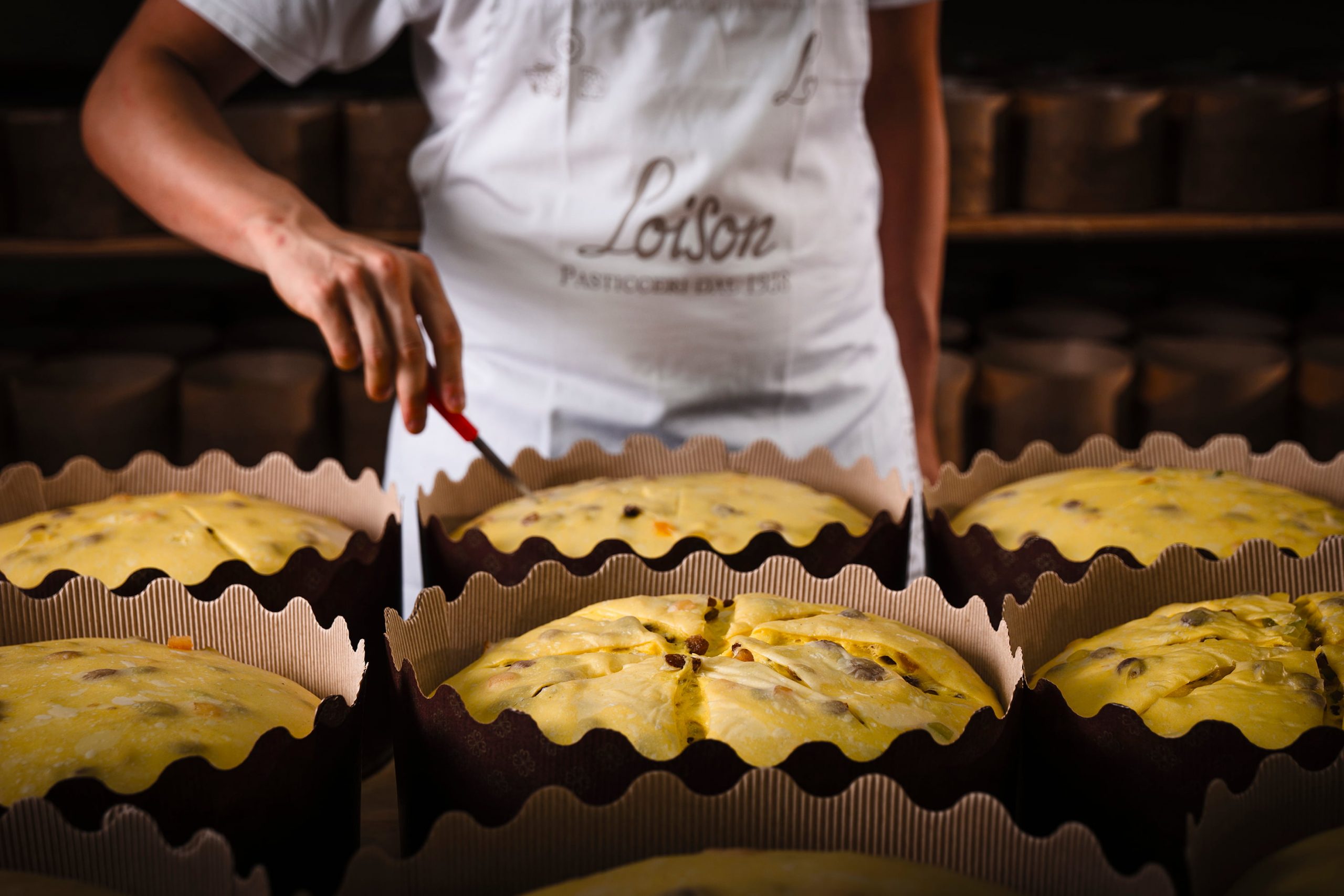
“We succeed in combining intrinsic quality and perceived quality through a strategy that brings together meticulous care in the selection of raw materials, strong artisanal craftsmanship and a distinctive identity.
Intrinsic quality stems from the direct selection of the finest ingredients: we purchase fresh fruit from producers who work specifically for us—for example for candying—thus ensuring full control of the supply chain. This approach allows us to obtain a customized, top-level ingredient that translates into a product with a unique flavor.
At the same time, perceived quality is built through elegant, recognizable packaging, designed under the creative direction of Sonia Pilla. Attention to design, materials and details—from ribbons to color—offers customers a complete sensory experience that goes beyond taste, communicating value, refinement and uniqueness.”
How do you strengthen your presence in Italian and international markets and stand out from other gourmet producers?
“We believe the difference lies in consistency and in our ability to tell the story of our product.
This synergy between substance and form strengthens our presence in both Italian and international markets, speaking a universal language made of excellence and beauty.
In an increasingly competitive sector, our way of standing out is not to shout louder, but to tell our story with balance and style, offering a product that moves people first through the eyes, then through the palate.”
Tariff Risks and Trade Barriers
Exports account for around 65% of turnover. How do you address the risks linked to tariffs and trade barriers that can change rapidly in certain markets (such as the United States) in order to protect margins and market share?
“Exports represent our true added value: more than 65% of our production is sold abroad. In practical terms, two out of three products reach over 70 countries, where we serve more than 600 international clients directly. This operating model allows us to know our partners in depth, understand their needs and provide concrete support in managing customs, commercial and market-entry issues.
Thanks to modern digital scouting activities and the sharing of strategic information, we apply a ‘one-to-one’ model that enables direct, effective and productive relationships. This ongoing dialogue translates into a very high level of service recognized by our customers.
Our strong international orientation allows us to deal more flexibly with potential barriers and customs duties. While it is not possible to overcome every obstacle—some customs authorities remain particularly rigid—in most cases we are able to manage and resolve these issues effectively.
A significant example concerns U.S. tariffs: for us, they do not represent an insurmountable barrier. The quality of service we provide leads customers to prefer us over less responsive companies. This proactive, personalized approach is one of the pillars of our international growth.”
Production Costs
Raw materials, energy and logistics have weighed heavily in recent years on the costs of food SMEs. How significant are these items today for Loison, and what strategies have you adopted to contain their impact?
Raw Materials
“In recent times, raw materials have experienced fluctuations unprecedented in the last twenty years. The post-Covid period has profoundly changed sourcing dynamics and purchasing policies at all company levels.
Although we are an artisanal company, we have faced these challenges with determination, without passively absorbing market fluctuations and speculation, while maintaining our competitiveness.
We have recorded significant increases in key ingredients: flour, after a period of growth, has stabilized; butter has risen by 60–70% over the last two years and remained at high levels throughout 2025. Chocolate has also experienced a surge unlike anything seen in its history.
Despite this, we have chosen to strengthen our commitment to quality, investing in single-origin chocolate and top-tier raw materials. Our philosophy is simple: when we invest, we do so to offer a superior product.
The company’s solidity and the availability of our own climate-controlled warehouses allow us to operate with greater flexibility and foresight.”
Energy
“Energy efficiency has been a priority for us since 2011, when our first 99 kW photovoltaic system came into operation. In 2017, the system was upgraded to 144 kW, further strengthening our autonomy and covering about half of the company’s energy needs.
We also introduced home-automation solutions and LED technologies more than 15 years ago—key tools to contain consumption and reduce waste. This strategy fits into a broader philosophy of continuous improvement, with the aim of building an efficient production model.”
Logistics
“Logistics plays a strategic role for us, as our products are bulky and delicate. For this reason, we manage all logistics activities in-house, avoiding the use of external warehouses. This choice allows us to ensure speed, availability and continuous accessibility—even on Saturdays.
Agility and efficiency have always been part of our DNA: we are inspired by Lean Production principles and continuous process improvement, values that guide every aspect of our organization and enable us to deliver a punctual service.”
E-commerce and Digital Strategy
Today e-commerce represents more than 4% of 2024 turnover—an impressive result for an artisanal company like Loison Pasticceri dal 1938. What are the goals for further growing this channel in the coming years?
“Loison’s digital journey dates back to 1996. From the very beginning, we saw digital tools as a way to communicate in a new, faster and more immediate manner, increasing efficiency and effectiveness.
We have pursued this path consistently, creating a virtuous disintermediation that allows us to tell and share the value of our work directly with the customer.
This vision led us to develop a proprietary e-commerce platform, active for about eight years, which today generates around half a million euros in revenue—an outstanding result in the national landscape.
Initially focused on B2C, the channel was later integrated with B2B, enabling more efficient management and constant updating of company data.
Our digital dimension has therefore proved fundamental in enhancing our work and strengthening Loison’s competitive advantage on the market.”
Are you aiming to strengthen your presence in Europe or to explore new non-EU markets?
“We are strengthening our presence in Europe—effectively considered an internal market—particularly in Central European countries, which are often, paradoxically, easier to reach and serve than some areas of Southern Italy.
At the same time, we are expanding our presence in non-European markets. Our primary objective is to consolidate relationships already established in countries we have served for over 30 years, as well as in new ones such as Senegal, South Africa and French Polynesia, where, in just the second year of activity, orders have already doubled.
Consolidation and the strengthening of commercial relationships remain our strategic priority. At the same time, we also pay attention to smaller markets, promoting a targeted and dynamic commercial policy in Europe, supported by the development of the online shop and the B2B channel.”
Managing Seasonality
Considering that a significant share of turnover is still linked to the Christmas season, how are you developing the year-round product line to extend this success throughout the year?
“Today, around 65% of turnover comes from the Christmas campaign, while Easter contributes approximately 15–20%. The remaining 15–20% comes from products that allow us to overcome seasonality and launch new projects throughout the year.
Looking back to our origins, we should not forget that my father Alessandro produced about 85% of his products year-round, with only 15–20% linked to Christmas.
Today, thanks to our extensive heritage of historical recipes, we have enormous growth potential: the foundations are there, as are the ideas. Our goal in the coming years is to expand our market presence beyond festive periods.
This strategy is driven by butter biscuits—which are seeing strong growth—as well as by filone cakes, Tosa cakes and Veneziane: non-seasonal products sold continuously, capable of ensuring development and stability.”
Strategic Vision
In a rapidly changing market—shaped by consumer trends, retail evolution and foreign regulations—on what time horizon are your strategies planned, and which areas will receive the most resources over the next 24 months?
“Strategic vision is undoubtedly the lever that makes the difference for us. We never approach a market or a customer with a focus solely on immediate sales: we always aim to develop medium- to long-term strategies, believing in customer growth and lasting collaboration.
Today markets change quickly, but thanks to digital tools we have a global perspective. Our role in export allows us to anticipate market needs and plan marketing actions with greater care and value.
This approach also applies to internal production management, which is increasingly digitalized, with constant quality monitoring and rapid verification of company standards—essential to responding to market demands.
Digital innovation is therefore a cornerstone of our strategic vision, making work leaner, faster and more effective. We firmly believe in this approach and allocate significant resources to various digital projects in order to integrate the most advanced concepts of a connected enterprise.”